How to build a morning yoga habit that actually sticks
The small adjustments that make the difference between a practice and a good intention
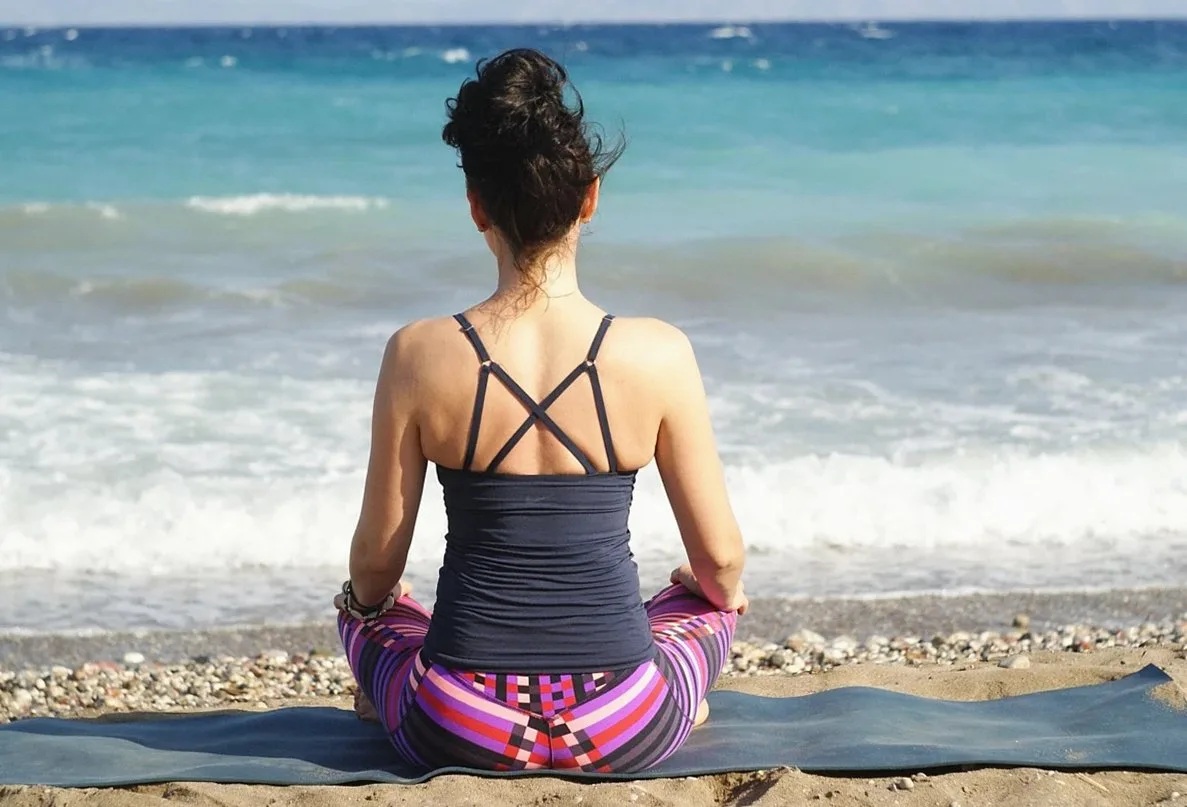
Most people who want a morning yoga practice already know what to do. The problem is not information. It is the gap between knowing and doing, especially on the mornings when the futon is warm and the room is cold. This article is about closing that gap with small, specific adjustments rather than willpower.
Start shorter than you think you need to
The most common reason a morning practice does not survive the first two weeks is that the sessions are too long. Thirty minutes sounds modest, but on a weekday morning with work starting at nine, it is often the difference between doing it and not doing it. Ten minutes is not a compromise. It is a real practice. A short sequence of standing poses, a forward fold, and three minutes of quiet breathing can set a calmer tone that, for many people, carries through the morning.
A useful way to start is to write a ten-minute sequence on a card and prop it against the wall by your mat. Keep it short enough that you cannot talk yourself out of it, and change it rarely. The sequence does not need to be clever.
The space matters more than the equipment
You do not need a dedicated room. You need a consistent spot. The same corner of the same room, with the mat already unrolled the night before. The act of unrolling the mat in the morning adds a small decision to an already effortful moment. Removing that decision makes a difference.
In Japanese homes where space is limited, a tatami room works well for practice. The surface is firm enough for seated work and soft enough for savasana without a mat. If you are using a wooden floor, a natural rubber mat with some grip is worth the investment.
What to do when you miss a day
Missing a day is not the problem. The story you tell yourself about missing a day is the problem. A practice that has been going for three months and skips a Tuesday is still a three-month practice. The response that works is to do five minutes the next morning rather than trying to compensate with a longer session.
The Autumn Reset Programme at the studio is built around this idea. Six weeks of shorter sessions, with the explicit acknowledgement that consistency matters more than duration.
Seasonal adjustments in Japan
Morning practice in Japan changes with the seasons in ways that are worth planning for. The cold months from December through February make it genuinely hard to get out of bed and onto a mat in an unheated room. A small electric panel heater set on a timer to warm the practice space fifteen minutes before you wake up is a practical solution, not a luxury.
Autumn is the easiest season to start a morning practice. The air is cool but not cold, the light comes up early enough to practise before work, and the body tends to feel more settled after the heat of summer.
If you are thinking about starting a morning practice and want some guidance on which class format might support it, the lifestyle articles on this site cover related ground, and the contact form is there if you have a specific question.
General wellness information only, not medical advice. If you have an injury, are pregnant or have a health condition, check with your doctor before starting a new practice.