Restorative yoga in autumn: winding down in the evening
What happens in the body during a long-held supported pose, and why the season matters
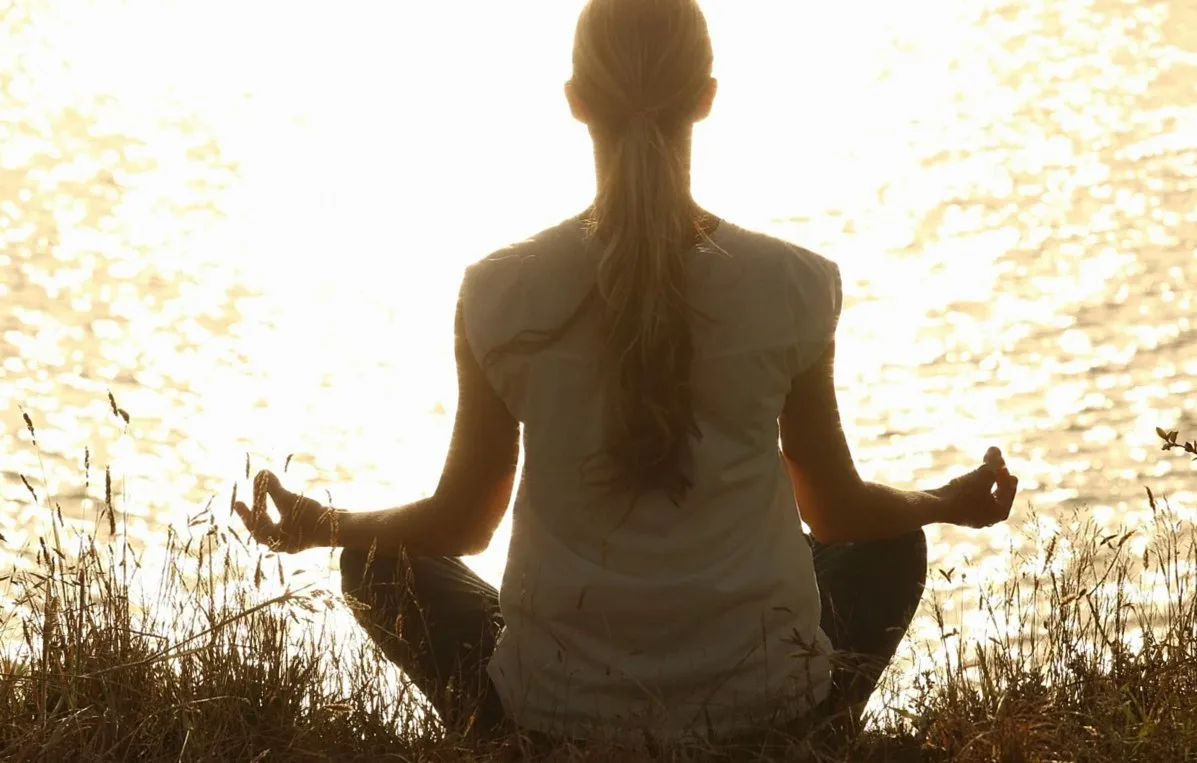
Autumn in Japan brings a noticeable shift in energy for many people. The heat of summer lifts, the days shorten, and the body starts to recalibrate. For some people this feels like relief. For others it brings a kind of restlessness or difficulty settling at night. Restorative yoga offers a gentle, practical way to wind down.
What restorative yoga actually does
Restorative yoga uses supported postures held for five to fifteen minutes, with the body fully supported by bolsters, blankets, and blocks so that no muscular effort is required. The aim is to encourage the body's rest response, the side of the autonomic nervous system associated with rest and digestion, as opposed to the side that governs the stress response.
This is not relaxation in the vague sense. It is a quieter state that takes time to settle into. The first few minutes of a supported pose often feel restless. The shift happens gradually, and most people notice it most clearly in the breath, which slows and deepens without any deliberate effort.
The seasonal connection
In traditional Japanese seasonal thinking, autumn is associated with the lungs and with a kind of inward turning. Whether or not you find that framework useful, the practical reality is that many people notice shorter days and cooler temperatures in their energy and in how they sleep. A quiet evening practice works with those changes rather than against them.
The Restorative Evening class at the studio runs on Thursday evenings through the autumn. Some students tell us they feel calmer when they leave, but everyone responds differently, and this is a relaxation practice, not a treatment for sleep problems.
Poses that are particularly useful in autumn
Supported child's pose, supta baddha konasana (reclined bound angle), and legs-up-the-wall are the three poses we return to most often in the autumn Restorative Evening sessions. All three can be done at home with a bolster or a firm folded blanket. The linen eye pillow in the essentials range is useful in all three, particularly in legs-up-the-wall where the weight on the brow helps the forehead release.
The key is duration. Five minutes in a supported pose is about the least you need to start settling. Ten minutes is better. Most people underestimate how long they need to stay.
The Restorative Evening class runs every Thursday. If you have questions about whether it is suitable for your situation, the contact form is the easiest way to ask.
General wellness information only, not medical advice. If you have an injury, are pregnant or have a health condition, check with your doctor before starting a new practice.