Choosing a yoga mat in Japan: what to look for
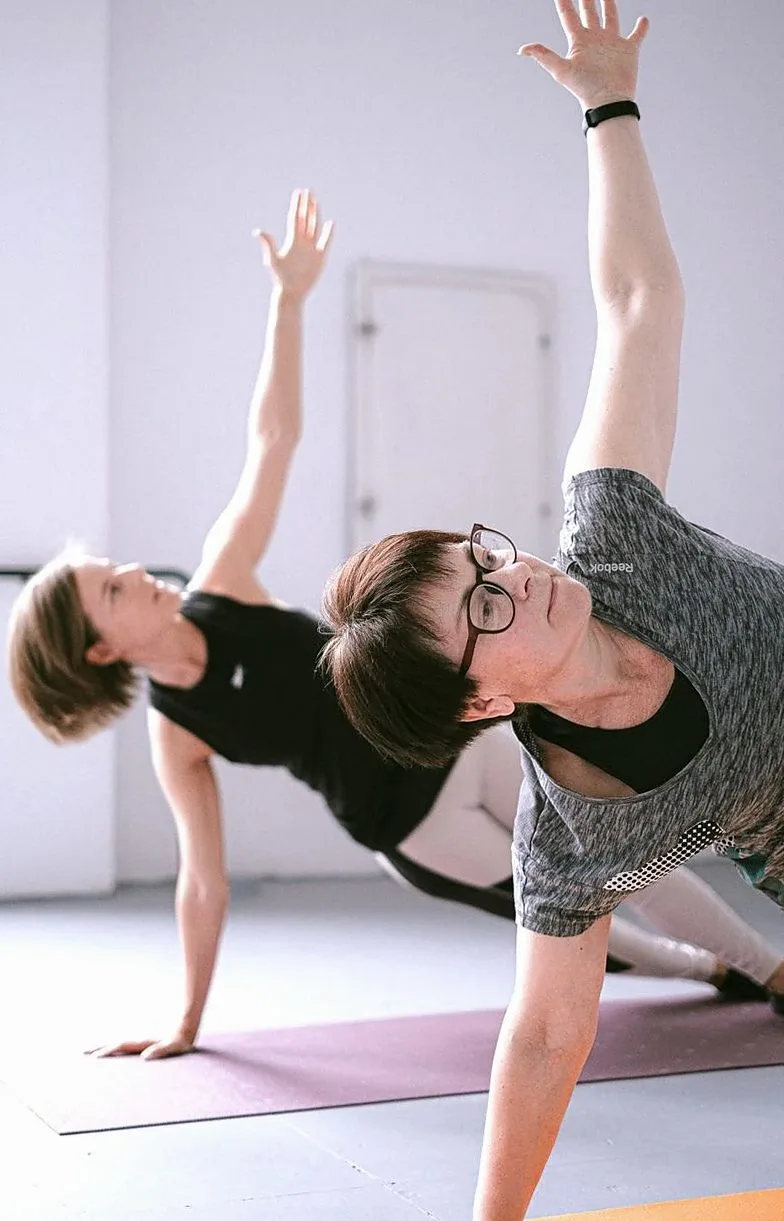
There are a lot of yoga mats available in Japan, from the ¥1,500 foam rolls at sports chains to imported natural rubber mats at several times that price. The difference between them is real, but it is not always obvious from a product listing. This is what we look for when judging a mat.
Material: foam, TPE, or natural rubber
Most entry-level mats sold in Japan are made from PVC foam or TPE (thermoplastic elastomer). Both are lightweight and inexpensive. PVC foam mats tend to be slippery when damp and compress over time, which means the grip you feel in the shop is not the grip you will have after six months of practice. TPE mats are slightly better in both respects but still compress under sustained use.
Natural rubber mats are heavier and more expensive, but the grip improves slightly with use rather than deteriorating. The texture of the surface catches the skin in a way that foam does not. For standing poses and anything involving weight through the hands, the difference is noticeable.
Thickness: 3mm, 4mm, or 6mm
A 3mm mat is thin enough to feel the floor through it, which some practitioners prefer for balance work. A 4mm mat is a reasonable middle ground for most practice styles. A 6mm mat is comfortable for restorative work and for people with sensitive knees, but it can feel unstable in standing poses because the surface compresses slightly under foot.
The mat in the Peregrine Bastion essentials range is 4mm natural rubber. That is the thickness we recommend for students who are not sure.
What to check before buying online
Product listings for yoga mats in Japan often describe grip in marketing terms rather than technical ones. Look for listings that specify the surface texture (open-cell, closed-cell, textured top layer) rather than just saying the mat is non-slip. Check the weight: a natural rubber mat of reasonable quality will weigh at least 2kg for a standard 173cm length. Anything lighter is probably not natural rubber.
If you can, try the mat in a class before buying. The studio has mats available for use in every session, and students who want to test the natural rubber mat before purchasing are welcome to use it in class first.
The essentials range on this site includes the mat we recommend. The description covers the specific details of the surface and construction.
General wellness information only, not medical advice. If you have an injury, are pregnant or have a health condition, check with your doctor before starting a new practice.