What to wear for yoga practice: a practical guide
Fabric, fit, and a few things that matter more than you might expect
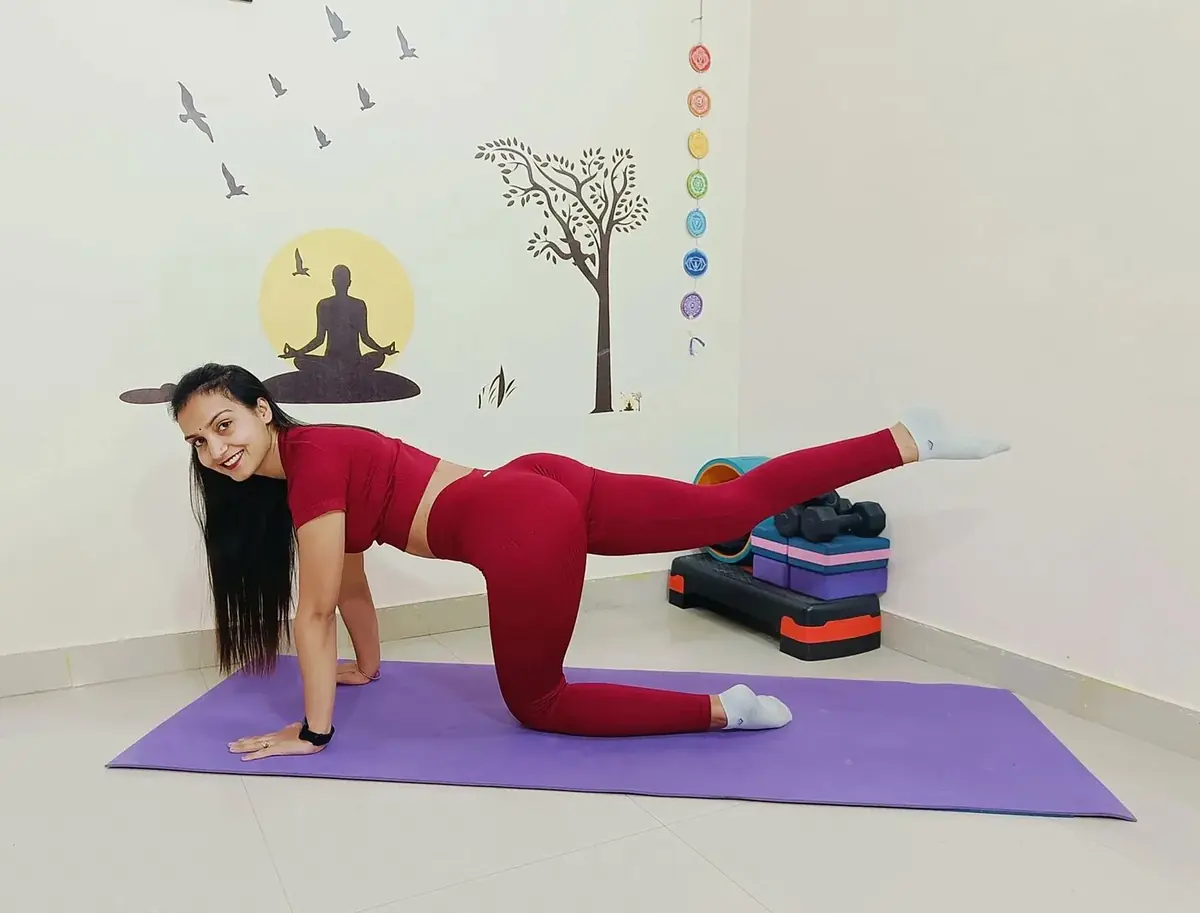
What you wear to yoga practice matters more than it might seem, not for aesthetic reasons but for practical ones. The wrong fabric in a restorative session can make you cold. The wrong cut in a forward fold can pull you out of the pose. This is what we consider when choosing practice wear, whatever you end up buying and wherever you buy it. For props, see the essentials range.
Fabric: synthetic versus natural fibres
Most yoga wear sold in Japan is made from synthetic stretch fabrics, typically polyester and elastane blends. These fabrics move well and dry quickly, which makes them popular for active styles of practice. The drawback is that they do not breathe well in a warm room and can feel uncomfortable in longer-held or restorative poses where the body temperature drops.
Natural fibres, particularly organic cotton and linen blends, breathe better and feel more comfortable against the skin in slower practice. They do not have the same stretch as synthetics, which means the cut needs to be generous enough to allow movement without relying on the fabric to stretch. Choose a cut generous enough to move in without relying on the fabric to stretch.
Fit considerations by practice style
For flow practice, a fitted top that stays in place during forward folds and inversions is more practical than a loose one. A top that is slightly longer at the back stays in place in a forward fold for exactly this reason. For restorative and pranayama sessions, looser clothing is more comfortable, particularly around the waist and hips.
Wide-leg trousers work well for seated and supine practice. A drawstring waistband is worth looking for: elastic waistbands can press uncomfortably into the abdomen during forward folds and seated twists.
Layering for autumn practice in Japan
Autumn practice in Japan, particularly in Saitama where the temperature drops noticeably in October and November, benefits from a light layer that can be removed once the body warms up. A long-sleeve cotton top worn over a fitted base layer is a practical combination, and either piece can serve as the outer layer depending on the session.
We do not sell practice wear, so this guide is general: check the fabric composition on the label and choose what feels comfortable when you move.
General wellness information only, not medical advice. If you have an injury, are pregnant or have a health condition, check with your doctor before starting a new practice.