Pranayama basics: how breath regulation works in practice
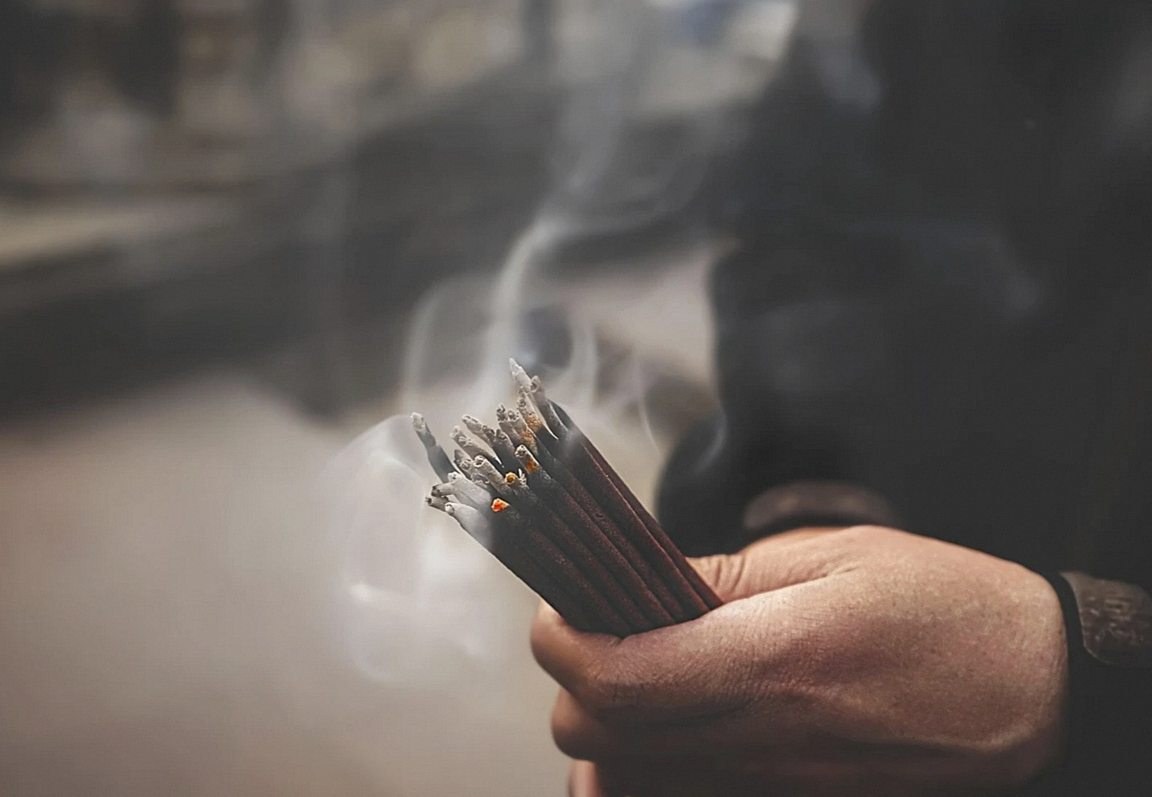
Pranayama is often described as breath control, but that translation is slightly misleading. The word comes from prana, meaning life force or vital energy, and ayama, meaning extension or expansion. The practice is less about controlling the breath and more about understanding it and working with its natural rhythms. This article covers the three techniques we teach most often to beginners.
Why breath work is harder than it looks
Most people who try pranayama for the first time are surprised by how quickly the mind resists. Sitting still and attending to the breath sounds simple. In practice, the first few minutes of a breath session often surface restlessness, distraction, and occasionally a mild anxiety that is itself a sign of how rarely we pay close attention to breathing.
This is not a problem to solve. It is the practice. The Pranayama and Meditation class at the studio starts with five minutes of simply observing the natural breath before introducing any technique. That five minutes is often the most instructive part of the session.
Three accessible techniques
Nadi shodhana, or alternate nostril breathing, is the technique we introduce first. It involves closing one nostril at a time with the fingers and breathing through the other, alternating sides. The ratio is typically inhale for four counts, hold briefly, exhale for four counts. It is calming without being sedating and is suitable for morning or evening practice.
Ujjayi breath, sometimes called ocean breath, involves a slight constriction at the back of the throat that creates an audible sound on both the inhale and exhale. It is the breath used in flow practice and helps regulate the pace of movement. Bhramari, or humming bee breath, involves exhaling with a gentle hum. It is particularly effective for reducing mental agitation before sleep.
- Nadi shodhana: alternate nostril, 4-count rhythm, morning or evening
- Ujjayi: throat constriction, used in movement practice
- Bhramari: exhale hum, useful before sleep
Building a short daily practice
Five minutes of pranayama done consistently is more useful than a 30-minute session done occasionally. The Pranayama and Meditation class runs on Wednesday mornings and is open to anyone who has attended at least one Foundation Class. For home practice, a simple sequence of five minutes of nadi shodhana followed by five minutes of quiet sitting is a reasonable starting point.
If you are curious about whether the Wednesday morning class is the right entry point for you, the questions before you come section of this site covers the practical details, and the contact form is there for anything more specific.
General wellness information only, not medical advice. If you have an injury, are pregnant or have a health condition, check with your doctor before starting a new practice.